E-Waste Explained: Separating Myths from Facts About Recycling
Electronic waste is an increasing problem in our current technological landscape. A large number of people maintain false beliefs about the recycling process. Common beliefs suggest that electronic waste is unrecyclable or that options for disposal are scarce. These myths can hinder effective recycling efforts and exacerbate environmental damage. Understanding the realities of e-waste management is essential. What are the actual impacts on the environment, and how can individuals contribute to a more sustainable future? Examining these concerns uncovers important findings.
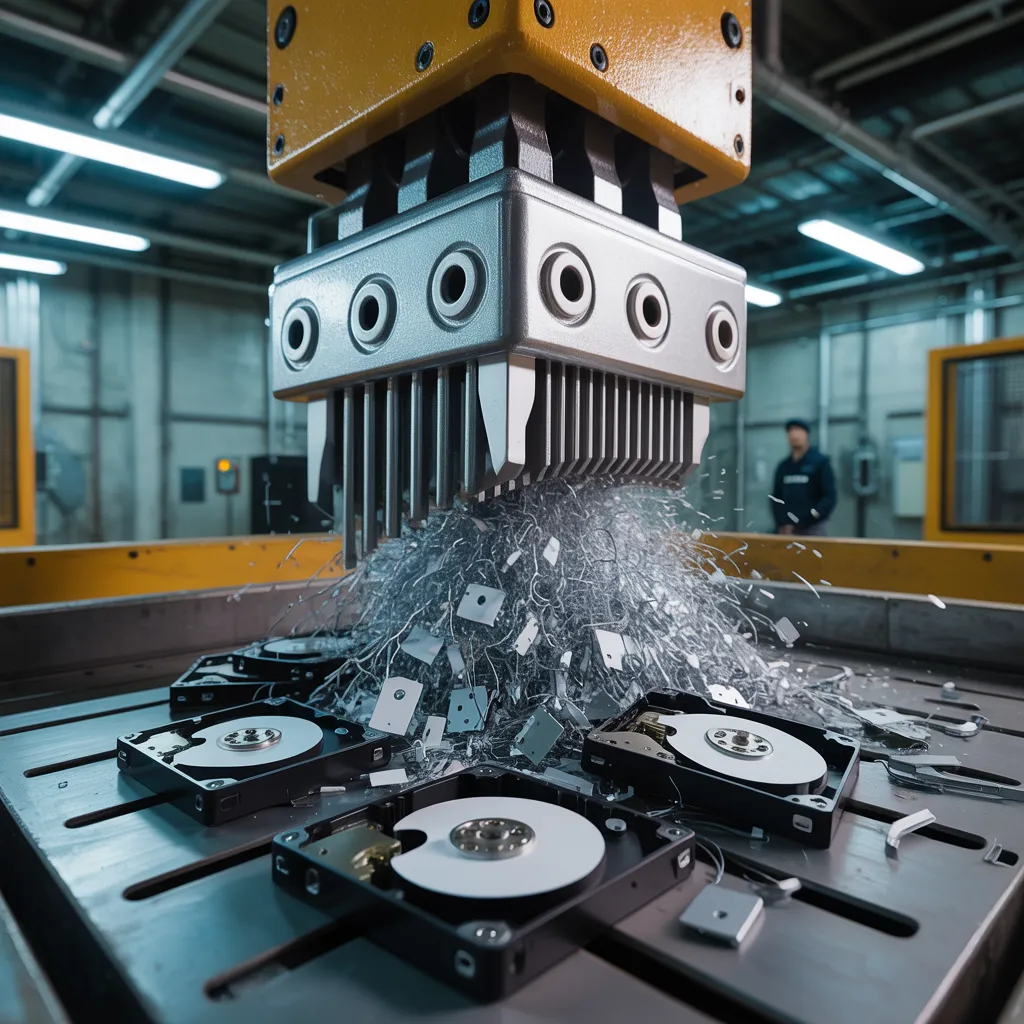
Understanding E-Waste: What It Is and How to Dispose of It Responsibly
Electronic waste, commonly known as e-waste, is defined as unwanted electrical equipment such as computers, mobile phones, and televisions. This classification of waste is expanding quickly owing to the swift progression of technological innovation, giving rise to serious ecological issues. A wide range of electronic equipment contains toxic components such as lead, mercury, and cadmium, which can pose risks to human health and ecosystems when improperly disposed of.
Proper management of electronic waste requires recycling via certified programs that ensure safe handling and processing. Numerous local and nationwide organizations provide collection events, drop-off locations, and mail-in recycling services. Customers are urged to seek out certification labels, including R2 or e-Stewards, to ensure their electronic waste is disposed of in a responsible manner. Schedule Now In addition, donating functioning devices can extend their life cycle while reducing waste. Through awareness of e-waste and adherence to correct disposal practices, people can help build a more sustainable future and reduce environmental harm.
Debunking Myths About E-Waste Recycling
How do widespread misconceptions about e-waste recycling obstruct effective disposal practices? Misconceptions about e-waste recycling frequently result in improper disposal methods, ultimately worsening the situation. One widespread misconception is that all e-waste is fully recyclable, which tends to breed complacency. The truth is that not all components can be efficiently processed, and some necessitate specialized handling. Another misconception is that recycling e-waste is too complicated or costly, deterring individuals from participation. In fact, many communities offer accessible and free recycling programs. Additionally, the belief that e-waste simply ends up in landfills undermines the significant efforts of recycling organizations that prioritize responsible processing. These myths not only misinform the public but also impede the collective effort needed to manage e-waste sustainably. Tackling and dispelling these misconceptions is vital for promoting responsible consumer behavior and improving the overall effectiveness of e-waste recycling efforts.
How Does Failing to Recycle E-Waste Affect the Environment
Not recycling e-waste properly poses significant threats to the environment. When electronics are disposed of incorrectly, dangerous chemicals like lead, mercury, and cadmium may contaminate soil and water sources, causing significant ecological contamination. These harmful materials endanger both wildlife and human health, disrupting ecosystems and contaminating food sources.
In addition, the growing presence of e-waste in landfills results in the depletion of natural resources. Valuable metals and materials that could be recovered and reused are lost, elevating the demand for new mining operations, which continues to damage the environment. Furthermore, the carbon footprint connected to manufacturing new electronics is compounded, as raw materials are sourced and manufactured.
Effective Techniques for Recycling Your Old Electronics
Regarding disposing of outdated electronic devices, various reliable approaches exist for people. Regional recycling facilities typically deliver reliable ways to dispose of such items, making certain that all materials undergo proper processing. Furthermore, donating serviceable gadgets can increase their longevity as well as helping people who may lack access to such technology.
Neighborhood Recycling Efforts
Numerous communities currently provide community-based recycling initiatives tailored to address the proper discarding of aging electronic devices. Such initiatives are focused on reducing electronic waste by establishing easy-to-reach collection sites and planned pickup events. Homeowners can frequently locate details about accepted materials, ensuring that hazardous materials are properly managed. Neighborhood recycling efforts frequently work alongside licensed e-waste disposal specialists, who adhere to environmental standards to recover useful resources and safely eliminate dangerous elements. Some programs also offer incentives, including reduced pricing on replacement devices, to encourage participation. By making use of these neighborhood resources, community members can promote environmental responsibility while ensuring their old devices are recycled in a safe and effective manner. Knowledge of these resources is vital for accountable e-waste disposal.
Donation Choices Available
Local recycling programs not only provide a means for proper disposal but also create opportunities for donating old electronics. Numerous organizations welcome working devices, including computers, smartphones, and tablets, which can be redirected for educational or philanthropic purposes. Schools, non-profits, and community centers often welcome such donations, ensuring that valuable technology reaches those in need. Furthermore, certain manufacturers and retailers provide trade-in initiatives, enabling people to swap outdated devices for store credit, which encourages environmentally responsible practices. It is necessary to explore available local choices and ensure that the recipient organization complies with responsible recycling guidelines. By donating instead of discarding, individuals can extend the lifecycle of electronics while supporting their community's technological needs.
The Ways E-Waste Recycling Helps You and the Environment
While often disregarded by some, e-waste recycling offers substantial benefits for both consumers and the natural world. By appropriately handling discarded electronics, individuals can confirm that precious resources, such as minerals and synthetic materials, are extracted and reintegrated, decreasing the reliance on raw material extraction. This not only protects valuable natural assets but also decreases environmental damage associated with resource harvesting and fabrication methods.
Additionally, recycling e-waste works to prevent toxic substances, including lead and mercury, from polluting water sources and soil. By diverting e-waste from landfills, communities are able to reduce significant health dangers to both humans and wildlife.
Moreover, taking part in e-waste recycling can create financial benefits, as the recycling industry creates employment and stimulates regional economies. When all is considered, effective e-waste recycling encourages a greener tomorrow, supporting personal well-being, the ecosystem, and the economy in equal measure. Being aware of these positive outcomes can inspire more people to engage in e-waste recycling initiatives.
Finding Local E-Waste Recycling Programs Near You
Where can people find e-waste recycling programs near them? Several helpful resources are available to support this effort. Municipal governments frequently operate websites that feature approved recycling centers. Such websites generally provide information on accepted items and applicable fees. In addition, organizations such as Earth911 provide searchable databases, allowing users to find nearby e-waste drop-off locations by entering their zip codes.
Community-based programs, such as e-waste collection days, are frequently organized by municipal bodies or community groups, presenting practical opportunities for proper waste management. Electronics retailers may also participate in recycling initiatives, accepting unwanted devices for responsible management. Moreover, state-level ecological departments often supply information on electronics recycling practices and can point consumers to credible recycling options. By taking advantage of these options, people can ensure their e-waste is handled in an environmentally responsible manner, promoting a greener future.
Popular Questions Answered
Can Electronic Waste Be Fixed Instead of Being Recycled?
Electronic waste can often be repaired as an alternative to recycling, depending on the device's condition and availability of parts. Restoring increases the useful life of the device and lessens the burden on the environment, serving as a green substitute for standard recycling practices.
What Kinds of Electronics Fall Under the Category of E-Waste?
E-waste consists of disposed electronic products such as computers, smartphones, tablets, televisions, printers, and appliances. These devices often contain harmful substances, making it essential to properly dispose of and recycle them to safeguard the environment and public health.
Are There Any Legal Regulations on E-Waste Disposal?
That is correct, there are regulatory frameworks overseeing e-waste disposal. Numerous countries and jurisdictions implement laws to ensure proper recycling and disposal, seeking to limit ecological damage and encourage responsible handling of discarded electronics through established standards and guidelines.
How Do I Properly Store E-Waste Before Taking It to Recycling?
When it comes to safely storing e-waste before recycling, people should store their devices in a cool, dry location, ensure all power sources are disconnected, and utilize durable containers to avoid damage. Clearly label all items to ensure correct disposal at a later time.
What Certifications Are Important to Look for in E-Waste Recyclers?
When choosing e-waste recycling companies, consumers should check for certifications like R2 Responsible Recycling, e-Stewards, and ISO 14001. These qualifications confirm adherence to environmental standards and proper management of e-waste throughout the recycling process.
Comments on “Electronics Recycling: Responsible E-Waste Recycling for Old Devices”